Trees add shade, beauty, and value to your home, but they can also become hazardous if not properly maintained. A healthy tree enhances your property, while a weak or damaged one can threaten your safety. Knowing when to remove a tree is important for protecting both your home and family.
Many homeowners struggle to decide when removal is necessary. Over time, trees can become diseased, overgrown, or structurally unstable. When in doubt, consulting a professional tree service in Ann Arbor, MI, helps you make the right decision. Local experts are familiar with the area’s tree species, weather patterns, and soil conditions, enabling them to identify potential risks before they escalate into major problems.
Below, we’ll explain when tree removal is needed, what signs to watch for, and why hiring experienced professionals is the safest and most effective way to care for your property.
Why Tree Removal Matters
Trees growing too close to your home can cause hidden problems. Roots may damage your foundation or plumbing, while branches can scrape siding and fall during storms. These issues often develop slowly, making them easy to overlook.
A professional tree service can assess tree health, identify risks, and recommend trimming, treatment, or removal. Acting early can prevent costly damage and maintain a safe, attractive landscape.
Common Signs It’s Time to Remove a Tree
1. Dead or Dying Trees
A dead tree is brittle, lacks leaves in growing seasons, and often has peeling bark. Once it dies, it quickly loses stability and can fall during strong winds or storms.
2. Cracks or Hollow Trunks
Large cracks or hollow areas in the trunk signal internal decay. Even if a tree looks fine on the outside, it may be dangerously weak inside.
3. Leaning Toward Your Home
A tree leaning toward your house, fence, or power lines should be inspected immediately. Sudden leaning often means root damage or soil instability.
4. Root Damage or Fungal Growth
Roots support a tree’s entire structure. If you notice cracked soil, raised ground, or mushrooms around the base, the roots may be decaying.
5. Storm Damage
High winds, snow, or lightning can weaken branches or split trunks. Severely damaged trees should be removed before they become hazardous to the public.
6. Overcrowding
Trees that grow too close together compete for sunlight and nutrients. Removing one allows the others to grow stronger and healthier.
7. Proximity to Structures
If branches hang over your roof or touch siding, trimming or removal is necessary. Overhanging limbs can drop debris, damage shingles, or attract pests.
When Removal Isn’t Necessary
Not every issue requires cutting down a tree. In some cases, pruning or treatment can restore health and stability. A certified arborist can determine whether trimming, cabling, or disease management is the best solution to address the problem.
Regular maintenance from a tree service, such as pruning and health inspections, keeps your trees strong and reduces the likelihood of future removal.
The Best Time to Remove Trees
Tree removal can be done year-round, but some seasons are better suited for the job:
- Winter or Early Spring: Trees are dormant, making removal easier and less damaging to nearby plants.
- Late Fall: With leaves gone, structural problems are easier to spot.
- After Storm Season: Once heavy winds and rain have passed, damaged trees can be safely removed.
Choosing the right season helps reduce landscape impact and ensures a smooth, efficient process.
Why Tree Removal Should Be Left to Professionals
Tree removal may look simple, but it’s one of the most dangerous yard tasks. Falling branches, power lines, and heavy trunks all pose serious risks. Without the right tools and experience, DIY attempts can lead to injury or property damage.
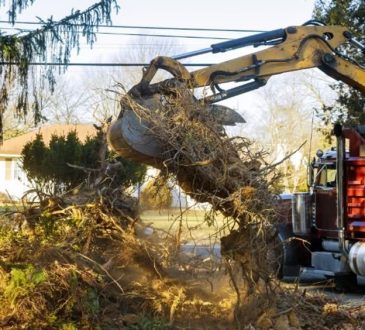
A professional tree service has the equipment and expertise to remove trees safely and efficiently. They handle everything, from felling and cleanup to stump grinding and disposal, ensuring the job is done right.
Preventing Future Tree Problems
Once a hazardous tree is removed, ongoing maintenance prevents similar issues in the future. Regular pruning, watering, and inspection keep the remaining trees healthy and balanced.
Here are a few simple steps to follow:
- Schedule annual tree inspections.
- Keep large trees at least 15–20 feet from your home.
- Trim overhanging branches regularly.
- Avoid piling mulch too close to trunks.
- Remove weak or dead limbs promptly.
Preventative care helps your trees grow strong while keeping your property safe.
Environmentally Responsible Removal
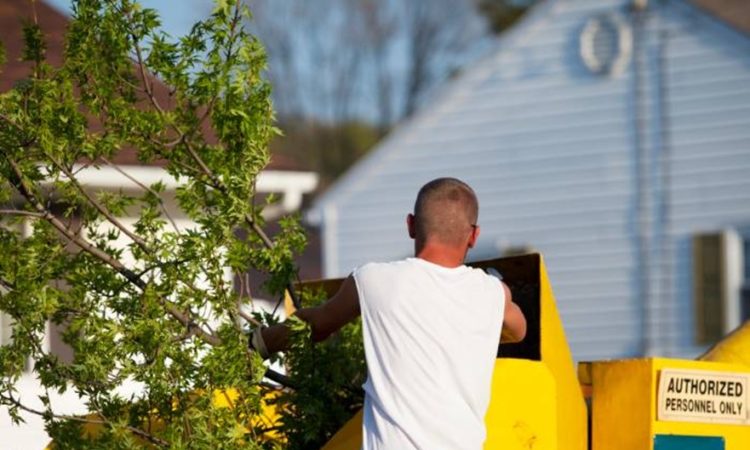
Removing a tree doesn’t mean wasting its resources. Many professionals recycle wood into mulch, firewood, or compost. Some companies also offer replanting services, replacing unsafe trees with smaller, native species that better fit your property.
By replanting wisely, you can maintain your yard’s beauty and reduce environmental impact.
Conclusion
Cutting down trees near your home is sometimes necessary to prevent costly damage and ensure safety. Recognizing early warning signs and seeking help from professionals can make all the difference. Regular inspections and maintenance keep your trees healthy and your home protected.
For expert evaluations, safe removals, and reliable maintenance, contact Ann Arbor Tree Trimming & Removal Service. Their skilled team provides trusted tree service solutions, from pruning and trimming to full removals, helping homeowners maintain safe and beautiful landscapes all year long.