Key Takeaways
In steel processing, precision is key to delivering projects successfully. Meticulous attention to detail avoids costly delays and boosts safety. Accurate measurements, along with strict adherence to standards, consistently yield high-quality outcomes across various industries such as aerospace, automotive, and construction.
Businesses can leverage custom processing techniques to meet unique project requirements, which leads to innovative and tailored solutions. This type of flexibility is essential for nurturing strong client relationships and ensuring project success.
The role of expertise in steel processing cannot be overstated. Seasoned professionals bring valuable insights that enhance material selection and processing methods, striking a balance between quality and efficient timelines—ultimately fostering client trust and encouraging repeat business.
Quality assurance is fundamental in steel processing, supported by rigorous inspection protocols that confirm product integrity and compliance. Effective quality assurance practices reinforce a company’s reputation, ensuring they deliver exceptional service quality.
Certifications like ISO 9001 and API specifications highlight a company’s dedication to quality and compliance. They act as crucial market differentiators, influencing client decisions in competitive sectors.
Transformative technologies such as robotics and data analytics are redefining steel processing, enhancing operational efficiency and precision. Automation significantly reduces turnaround times, while predictive analytics help maintain smooth workflows and prevent breakdowns.
In a rapidly changing market, agility and continuous learning are vital for the steel processing industry. Companies must anticipate client needs and stay abreast of technological advancements to remain competitive and cultivate a culture of innovation.
Unveiling the Advantages of Precision Metal Services
Why Precision Matters in Steel Processing
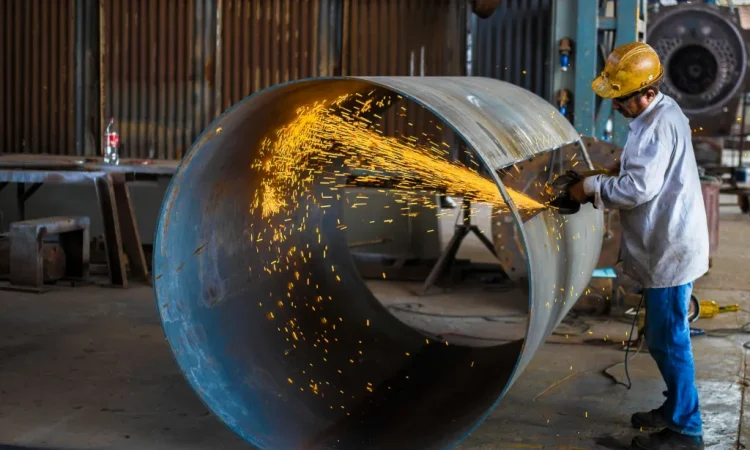
In the context of precision metal services, the line between success and failure often lies in detailed accuracy. Precision isn’t just a catchphrase; it’s fundamental to crafting quality projects. By ensuring accurate measurements and specifications, every component effortlessly fits within its intended application. Companies operating under high-stakes conditions understand this well—a single miscalculation can provoke expensive delays and project overruns, even compromising safety.
Recognizing the importance of precision sheds light on a crucial reality: high-quality steel processing cannot thrive alongside careless practices. When professionals commit to stringent standards, they generate results that consistently meet or surpass customer expectations. Numerous industries, from aerospace to automotive and construction, reap benefits from precision. As clients increasingly expect tailored approaches to fit their specific needs, the demand for precise processes is only growing.
Real-World Applications: Success Stories from Diverse Industries
Success stories abound that showcase the value of precise steel processing. In the automotive sector, for example, manufacturers typically seek customized solutions for critical components like chassis parts. A leading car manufacturer has effectively created lightweight frame structures, thanks to advanced cutting techniques that emphasize precision.
“In metal processing, precision isn’t just a requirement; it’s the competitive advantage that can set a brand apart.”
Construction firms voice similar experiences. They depend on steel precision for a wide range of tasks, from beam fabrication to full structural assemblies. One particular project highlighted how adhering to exact specifications significantly reduced material waste—saving both time and money. Professionals consistently observe that precise fittings and connections lead to safer, more durable structures, drastically minimizing the risks of on-site issues.
- Automotive: High-performance chassis components built with precise laser cutting.
- Construction: Spot-on fabrication of beams resulting in waste reduction.
- Aerospace: Engine components manufactured to zero-margin tolerances.
Transforming Projects with Tailored Steel Solutions
Custom Processing Techniques to Meet Unique Needs
No two projects are the same, which underscores the importance of custom processing techniques. Businesses frequently encounter specific challenges that standard solutions can’t address. Tailored processing adjustments allow manufacturers to adapt their methods to suit particular project requirements, translating to substantial value.
For instance, custom steel solutions may employ specialized cutting and bending techniques aimed at achieving distinctive designs. Companies invested in advanced technology can execute complex designs while preserving quality. Experts suggest that the ability to pivot and adjust processing methods is crucial for cultivating long-term client relationships.
- Laser cutting for intricate shapes with minimal material loss.
- Water jet cutting for sensitive materials that require fine precision.
- Bending services that accommodate a variety of steel thicknesses and shapes.
The Role of Expertise in Delivering High-Quality Results
Expertise in steel processing is invaluable. Working with experienced professionals means clients gain insights they might not have otherwise considered. Their extensive knowledge of materials and processes facilitates informed decision-making, improving project outcomes. For example, experts can recommend the optimal type of steel for specific applications, enhancing both performance and cost-effectiveness.
Moreover, companies specializing in SVC steel services understand how to strike a balance between quality and timelines. They excel at managing efficiency while upholding stringent standards. This capability not only ensures superb results but also nurtures trust between clients and service providers. Trust fosters repeat business and referrals, driving overall growth.
“Expertise translates into precision – leading not just to satisfied clients, but advocates who spread the word.”
How Quality Assurance Sets the Benchmark for Steel Services
Inspection Protocols: The Backbone of Reliable Metal Supply
Every industry adheres to its benchmarks, and in steel processing, quality assurance stands at the forefront. Without effective inspection protocols, businesses risk delivering inferior products. Quality assurance is not just an essential requirement; it serves as the very fabric that weaves reliability into service offerings. Rigorous testing and inspection procedures guarantee that every piece of metal complies with established standards before reaching clients.
Common inspection practices encompass visual evaluations, dimensional checks, and various non-destructive testing approaches. Each method holds significant importance in validating the integrity and adherence of steel products. Thus, organizations dedicated to these protocols can confidently assure exceptional service quality, strengthening their reputations in the market.
- Visual inspections to detect surface defects.
- Dimensional tests to ensure exact specifications.
- Non-destructive testing like ultrasound or X-ray for material integrity.
Certifications That Guarantee Excellence in Processing
Certifications serve as a mark of approval—a clear indication of a company’s commitment to quality. They signify that an operation aligns with industry standards while acknowledging the importance of compliance in processing. Obtaining certification typically involves thorough reviews and audits, confirming an organization’s capacity to consistently deliver quality results.
Highlighting notable certifications, ISO 9001 targets quality management systems, while API specifications pertain to oil and gas pipelines. Professionals emphasize the value of pursuing these certifications, as they bolster credibility. In fiercely competitive sectors, they often convert prospects into clients, thanks to the reassurance these certifications provide.
“Certifications not only assure quality; they become essential market differentiators.”
Future Trends in Steel Processing: What to Expect
Innovative Technologies Shaping the Industry Landscape
As industries mature, so do the technologies that underpin steel processing. Robotics, artificial intelligence, and data analytics are spearheading transformations that revolutionize operational efficiencies. Take automation in cutting processes, for instance. Robotic arms enhance precision without fatigue, operating continuously and significantly reducing turnaround times while ensuring consistent output.
Data analytics will also play an increasingly pivotal role in predicting maintenance needs. Skilled professionals can prevent breakdowns and enable smooth workflows through proactive maintenance strategies. As advancements persist, organizations must evolve to stay competitive—failing to adapt risks falling behind as new methods redefine efficiency paradigms.
- Robotics to streamline repetitive steel processing tasks.
- Data-driven insights for proactive maintenance and workflow management.
- 3D printing for rapid prototyping of metal components.
Adaptive Strategies for Evolving Market Demands
The steel processing industry is increasingly vulnerable to fluctuations in market demand. Clients are seeking more customization and faster turnaround times, prompting businesses to adapt readily. Agility in operations means anticipating and understanding client needs, often translating flexibility into a significant competitive edge.
Staying informed about market trends and technological innovations serves as the backbone of successful product development. Professionals advocate for ongoing training and development within organizations to ensure staff remain adept in new techniques and strategies. Such a focus not only meets rising consumer demands but also fosters a culture of innovation.
“The future belongs to those who can adapt, innovate, and deliver quality under pressure.”
Emphasizing precision and quality through expert services enables organizations to thrive, regardless of the challenges they face. The capacity to pivot while upholding stringent standards is essential for achieving long-term success in a competitive environment.
FAQ
What specific industries benefit the most from precision steel processing?
Industries like aerospace, automotive, and construction are prominent for their heavy dependence on precision steel processing. Each sector demands high-quality outcomes due to stringent safety regulations and performance standards, making meticulous attention to detail indispensable.
How does custom processing improve project outcomes?
Custom processing gives businesses the flexibility to tailor methods to meet unique specifications. This leads to innovative solutions and enhanced efficiency, significantly boosting the project’s overall success by ensuring materials align seamlessly with its requirements.
What role do technologies like AI and robotics play in steel processing?
AI and robotics are game-changers, driving noteworthy advancements in precision and efficiency. These technologies automate routine tasks, reducing human error and optimizing production speeds while upholding quality standards throughout manufacturing processes.
How can companies demonstrate their commitment to quality?
Achieving widely recognized certifications, such as ISO 9001, is one effective approach. These certifications validate that a company adheres to rigorous quality management systems and regulatory requirements, enhancing its credibility and attractiveness to potential clients.
What inspection methods are most effective for quality assurance in steel processing?
Commonly used methods encompass visual inspections, dimensional checks, and non-destructive testing techniques like ultrasound or X-ray. Each strategy plays a crucial role in confirming the integrity and precision of steel products before they reach clients.
Why is expertise in steel processing so crucial for clients?
Expertise in this field facilitates improved decisions regarding material selection and processing techniques. Professionals with profound knowledge ensure that projects meet quality standards while aligning with clients’ budget and timeline needs, nurturing trust and encouraging repeat business.
How can a company stay ahead of market trends in steel processing?
Continuous learning and adaptability are essential. Companies should invest in ongoing staff training, stay vigilant to technological advancements, and proactively respond to shifting client demands to maintain a competitive advantage in the ever-evolving market landscape.
What advantages do tailored solutions offer over standard processing methods?
Tailored solutions empower businesses to effectively address specific project requirements, frequently resulting in enhanced performance and minimized waste. This kind of customization not only adds value but also strengthens a company’s reputation, fostering enduring client relationships.
Useful Resources
- ASTM International– Standards development organization for materials, including steel processing.
- International Organization for Standardization (ISO)– Details on various certifications, including ISO 9001 relevant to quality management.
- American Petroleum Institute (API)– Information on API specifications for quality assurance in metal processing.
- Society of Manufacturing Engineers (SME)– Resources and training focused on advanced manufacturing technologies.
- American Society of Mechanical Engineers (ASME)– Engineering standards and resources related to metal processing and manufacturing.
- Fabricators & Manufacturers Association, International (FMA)– Industry insights and best practices for fabrication and manufacturing.
- National Institute of Standards and Technology (NIST)– Research and guidelines on quality assurance and measurement standards.
- Technology Stage– Updates on innovative technologies impacting steel processing and manufacturing.