
Key Takeaways
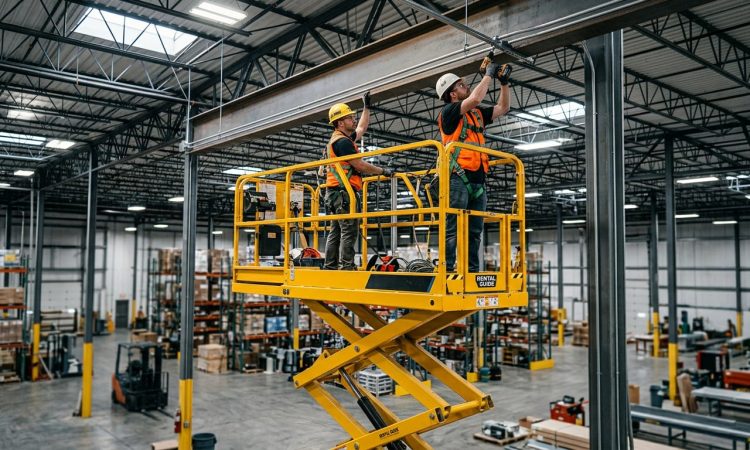
Scissor lifts play a vital role in enhancing project efficiency. They improve material handling and provide raised access across various industries, potentially reducing project timelines substantially.
With working heights ranging from 20 to 50 feet, these lifts allow easy access to hard-to-reach areas without relying on ladders, thus prioritizing safety and productivity.
While electric scissor lifts are perfect for indoor environments, rough terrain models tackle outdoor challenges effectively, ensuring projects utilize the right tools for specific conditions.
In San Antonio, rental rates for scissor lifts can fluctuate based on lift type and rental duration. Options abound, including daily, weekly, or monthly rentals tailored to diverse project needs.
Choosing to rent scissor lifts rather than purchase them leads to lower upfront costs, diminished maintenance responsibilities, and fewer storage worries. This makes renting a financially savvy decision for many businesses.
Ensuring safe scissor lift operation requires proper training and adherence to OSHA and ANSI safety guidelines. Operators must conduct pre-operational inspections and follow fall protection protocols closely.
The rental process for scissor lifts can be streamlined. Identifying specific needs, comparing rental companies, and booking online contributes to a smooth experience from beginning to end.
Maximize Your Project Efficiency with Scissor Lift Rentals
Top Features of Scissor Lifts That Enhance Productivity
Scissor lifts are synonymous with effective material handling and elevated access solutions across numerous industries. Experts grasp the powerful power these machines bring to project timelines. A scissor lift doesn’t just enhance productivity; it also promotes employee safety. So, what features contribute to their effectiveness?
Here are a few standout attributes:
- Extended Reach: Numerous scissor lifts can reach working heights between 20 and 50 feet, allowing workers to access difficult areas without cumbersome ladders.
- Platform Size: Different models provide spacious platforms, accommodating multiple team members and tools at once, thus minimizing downtime.
- Electric/Diesel Options: Scissor lifts are available in both electric and diesel versions. Electric lifts shine for indoor settings, boasting zero emissions, while diesel models excel during outdoor tasks in rugged terrain.
Success isn’t just about height; it’s about smart work practices. Using the right equipment enables clients to complete tasks in a fraction of the time, exemplifying efficiency in action.
Understanding Different Scissor Lift Models for Varied Tasks
Navigating the scissor lift landscape can feel overwhelming, especially when selecting the most suitable model for specific project requirements. Each type boasts unique capabilities tailored for distinct tasks. Here’s a closer examination of some prominent varieties:
- Electric Scissor Lifts: Ideal for indoor use with their quiet operation and zero emissions, these models offer excellent maneuverability.
- Rough Terrain Scissor Lifts: These lifts come with larger tires and enhanced ground clearance, making them perfect for tackling challenging outdoor conditions.
- Compact Scissor Lifts: Perfect for confined spaces, these models offer similar functionality to larger lifts without the bulk factor.
Selecting the right model greatly impacts both productivity and safety, and clients frequently discover that the right equipment leads to project success.
Cost-Effective Solutions: What to Expect from Scissor Lift Rentals
Comparing Rental Rates and Delivery Options in San Antonio
In San Antonio, rental rates for scissor lifts can differ based on various factors. It’s essential for clients to consider the type of lift, rental duration, and any extra services required. Experts suggest thoroughly investigating rental prices. Common pricing structures are:
- Daily Rates: Best for short-term and specific projects.
- Weekly Rates: Often discounted, these are suitable for medium-term tasks.
- Monthly Rates: Ideal for lengthy projects that need consistent lift access.
Additionally, exploring delivery options is crucial. Some services, like those provided by BigRentz, offer delivery and pickup directly to the job site, reducing logistical challenges. Opting for rental services that prioritize convenience can save both time and costs upfront.
How Renting vs. Buying Can Impact Your Budget
The discussion surrounding renting versus buying scissor lifts is a familiar one, yet it always deserves attention. Many professionals lean towards renting because of the flexibility and reduced initial costs. Here’s a breakdown of key considerations:
- Initial Investment: Buying a lift requires a significant cash outlay. Renting removes this financial burden entirely.
- Maintenance Costs: Owners bear the responsibility for upkeep. Rentals typically include maintenance, ensuring that equipment remains in top condition.
- Storage Needs: Purchase entails figuring out storage solutions when the lift isn’t in use. Renting liberates clients from this concern.
Choosing scissor lift rental in San Antonio often aligns well with financial strategies while keeping operations nimble.
Safety First: Best Practices for Using Scissor Lifts
Essential Safety Training and Regulations for Your Team
Safety shouldn’t be treated as a mere formality; it’s a cornerstone of operations involving aerial work platforms. Professionals highlight the necessity of comprehensive training. OSHA and ANSI guidelines set the framework for operating scissor lifts, but what does effective training encompass?
- Pre-Operational Inspections: Operators need to perform thorough inspections prior to use, ensuring all systems function correctly.
- Fall Protection Guidelines: Knowing when to implement guardrails and harnesses is crucial for maintaining safety standards.
- Emergency Protocols: Every team member should be familiar with emergency procedures in the event of operational issues.
Fostering a safety-first culture pays off significantly. Teams attentive to safety often witness fewer accidents and heightened morale.
Quick Tips for Ensuring Equipment Safety on the Job Site
Maintaining safety with a scissor lift on-site takes ongoing effort. Adhering to standard protocols can significantly diminish hazards. Keep these simple precautions in mind:
- Use Outriggers: Deploying outriggers whenever feasible adds stability to the lift.
- Maintain a Safe Distance: Operators should remain at a safe distance from power lines and other potential hazards while working with the lift.
- Constant Communication: Clear communication among team members is essential, particularly when maneuvering the lift in tight spaces.
Implementing these tips enhances worker confidence, creating a safe and efficient environment. A commitment to safety cultivates assurance in operations.
Streamlined Rental Process: From Booking to Job Completion
Step-by-Step Guide to Renting Your Scissor Lift
The rental process might seem straightforward, yet it can appear overwhelming at times. A step-by-step approach can help clients secure the right equipment with ease. Here’s how to navigate the rental process:
- Identify Your Needs: Assess the tasks at hand to determine the appropriate lift specifications.
- Compare Rentals: Evaluate various rental companies to secure the best rates and availability.
- Book the Rental: Online platforms like BigRentz enable quick booking and fast confirmation.
Following these steps can help clients streamline their equipment acquisition, making project launches more efficient. Proper planning kick-starts efficiency.
What to Expect During Delivery and Setup
Understanding what to expect when the rental scissor lift arrives can positively influence the experience. Delivery usually encompasses:
- Equipment Orientation: Operators will receive an overview of the lift’s controls and safety mechanisms.
- Site Assessment: Delivery personnel may conduct site evaluations to ensure safe lifting conditions.
- Required Documentation: It’s vital to have all necessary paperwork, including rental agreements and safety manuals, readily available.
Clients can expect a smooth setup process, allowing teams to focus on core tasks rather than logistical concerns. Wrapping up the rental experience positively ensures everything is ready for maximum productivity.
FAQ
What maintenance should be performed on scissor lifts during rentals?
While rental companies typically handle maintenance, operators should conduct daily checks before each use. This includes inspecting batteries, brakes, and hydraulic systems to maintain safe functionality and prevent operational mishaps.
Are scissor lifts suitable for residential projects?
Certainly! Homeowners frequently rent scissor lifts for various tasks such as roof repairs or exterior painting. Their ability to safely reach significant heights simplifies many residential projects, especially in tight spaces.
How do rental companies handle damage or accidents with rented lifts?
Most rental agreements clearly outline protocols for damage. Generally, clients are responsible for the lift’s condition during the rental. Insurance options are often provided to cover potential damages, offering clients peace of mind.
What qualifications do operators need for scissor lifts?
OSHA requires training for scissor lift operators. Certifications should encompass safety protocols, emergency procedures, and operational guidelines. Many rental companies also offer training resources to aid compliance with these standards.
Can scissor lifts be used in inclement weather?
Employing scissor lifts during adverse weather conditions, particularly high winds or rain, can pose risks. It’s essential to adhere to manufacturer guidelines and local regulations regarding operations in such conditions to ensure safety.
What accessories are available to enhance scissor lift functionality?
A range of accessories can boost the functionality of scissor lifts. For example, extension platforms create additional workspace, while tool trays help maintain organization. Additional safety gear, like harnesses, may also be suggested depending on the tasks at hand.
How can businesses determine their specific scissor lift needs?
Effective assessment starts with understanding project demands. Key considerations include work height, weight capacity, and terrain. Consulting with rental experts can provide tailored recommendations for optimal lift selection.
What safety certifications should be verified when renting a scissor lift?
Clients should ensure rental companies comply with OSHA and ANSI safety standards. It’s also wise to inquire about maintenance records and operator training programs to confirm adherence to best safety practices.
Useful Resources
- Occupational Safety and Health Administration (OSHA)
- American National Standards Institute (ANSI)
- National Commission for the Certification of Crane Operators (NCCCO)
- Scissor Lift Operator Training – Safety & Compliance
- Environmental, Health, and Safety Online (EHSO)
- Professional Certifications for Aerial Lift Operations
- Indeed – Scissor Lift Training and Certifications
- Rental Industry Association
- BigRentz – Equipment Rental Resources


