
Key Takeaways
Choosing the right orthodontics provider is vital for achieving both oral health and an appealing smile. Top orthodontists blend their expertise with effective communication and an artistic touch. Establishing trust plays a significant role; patients who feel comfortable are more likely to follow treatment plans.
With advanced diagnostic tools, seasoned orthodontists create treatment strategies that cater specifically to each patient’s unique dental needs and objectives. This personalized approach greatly enhances satisfaction and boosts the chances of successful results.
Patients have a variety of orthodontic treatment options, such as traditional braces, clear aligners, and self-ligating braces. Each of these options meets different misalignment challenges and lifestyle choices. For instance, traditional braces are reliable for more complicated cases, while clear aligners provide discretion and convenience.
Recent advancements in orthodontic techniques, like lingual braces and accelerated orthodontics, are revolutionizing the field by offering quicker and less noticeable options. Engaging in discussions with orthodontists about these innovations can help patients identify the best solutions for their individual situations.
Case studies highlight how the right orthodontics provider can profoundly impact patients’ smiles and self-confidence, with significant transformations occurring during and after treatment journeys.
Testimonials from patients underscore the importance of effective communication and comfort during visits, with many reporting increased confidence and better social interactions following treatment. Such positive feedback highlights the benefits of partnering with a skilled orthodontist.
It’s essential for prospective patients to thoroughly assess an orthodontist’s credentials, experience, and patient outcomes during consultations, ensuring they feel secure in their decisions about treatment options.
The Essential Role of an Orthodontics Provider in Your Smile Journey
What Makes a Great Orthodontist Stand Out?
Finding the right orthodontics provider can often feel daunting, but it’s crucial for achieving the desired oral health and aesthetic results. A remarkable orthodontist embodies a mix of skills—expertise, communication, and a hint of artistry. It’s not solely about straightening teeth; it involves crafting personalized treatment plans. The best orthodontists are aware of the emotional journey their patients experience and prioritize building trust and rapport. When clients feel relaxed, following treatment plans becomes easier, leading to better overall dental health.
Experience counts. The ideal candidates should have a robust background not just in orthodontics, but also in the latest technologies and innovations. Furthermore, effective communication is key. A capable orthodontist can break down complex processes, addressing concerns and keeping patients informed, which fosters collaboration and engagement throughout treatment.
A top-notch expert stays updated on research and trends. Regular attendance at workshops and professional organization membership showcases an ongoing commitment to education, ensuring they wield the latest advancements effectively. But remember, an excellent orthodontist isn’t merely a technician; they are a seasoned guide on the path to beautiful smiles.
How Expertise Translates into Effective Treatment Plans
Expertise directly influences the quality of treatment plans. Skilled orthodontists leverage advanced diagnostic tools to evaluate unique dental structures and needs. Such data-driven strategies allow them to create tailored treatment plans addressing both cosmetic and functional goals, with research indicating that personalized approaches heighten patient satisfaction and treatment success.
In practice, this begins with a comprehensive initial consultation where the orthodontist conducts a thorough examination. Evaluating bite patterns, jaw alignment, and facial symmetry proves essential. Digital imaging and 3D modeling are becoming prevalent in many practices, offering clients an accurate visual of expected outcomes. Most clients are astonished by these realistic projections.
Moreover, the incorporation of cutting-edge technology helps in crafting effective treatment plans. Different types of braces and innovative clear aligners should be considered based on a patient’s lifestyle preferences. However, the orthodontist’s experience plays a significant role in determining which method will lead to the best results. Effective plans can adapt as treatment advances, responding to changes in a patient’s dental status.
Unpacking the Types of Orthodontic Treatments Available
Braces vs. Aligners: Choosing the Right Solution for You
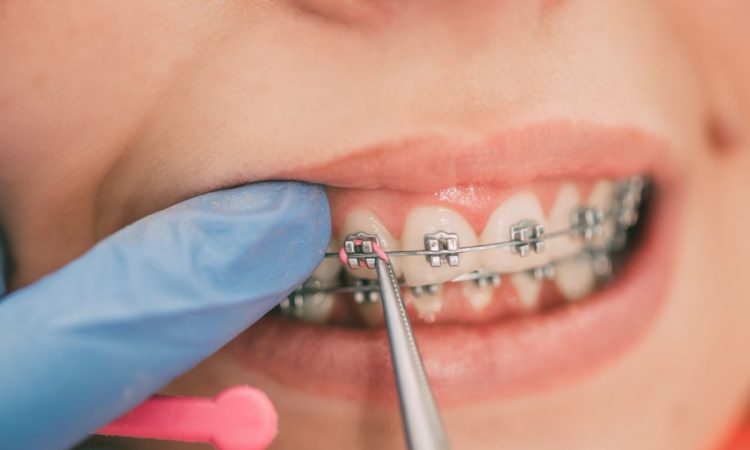
The array of treatment options available makes it essential for patients to choose wisely. Traditional braces, porcelain braces, and clear aligners like Invisalign are all popular choices. So which one aligns best with individual needs? Traditionally, metal braces are the go-to option. With brackets and wires, they continuously work to shift teeth over time and are highly effective for complex cases.
- Braces: Best suited for severe misalignment and bite issues.
- Clear Aligners: Discreet and ideal for adults, particularly effective for mild to moderate misalignments.
- Self-Ligating Braces: Typically require fewer adjustments, making for a more comfortable experience.
Conversely, clear aligners offer a nearly invisible treatment option. They are removable, allowing for easier oral hygiene maintenance—a point that appeals to many, especially working professionals or teens conscious of their appearance. However, their effectiveness heavily relies on patient compliance regarding wear time. Expectations vary; generally, braces tend to provide quicker results compared to aligners, but it really depends on individual circumstances.
Innovative Techniques: Beyond Traditional Orthodontics
The orthodontic landscape is rapidly evolving, introducing innovative techniques that surpass traditional choices. Take lingual braces, for example; they attach to the back of teeth, rendering them less visible. This option is appealing for patients seeking discretion while reaping the benefits of braces. Accelerated orthodontics represents another exciting trend. It employs specific devices and methods to hasten tooth movement, significantly reducing overall treatment time.
- Temporary Anchorage Devices (TADs): Allow for intricate tooth movements.
- 3D Printing: Customizes braces and aligners, enhancing both fit and comfort.
- Digital Monitoring: Enables orthodontists to track progress remotely.
Such advancements not only boost aesthetics but also enhance convenience for patients. Clients should feel encouraged to have in-depth discussions about these options with their orthodontists, enabling them to find solutions that align with their lifestyles and aspirations for that dream smile.
The Impact of Choosing the Right Orthodontics Provider on Results
Case Studies: Transformations that Speak Volumes
Few things underscore the significance of selecting the right orthodontics provider quite like real-life success stories. Consider a case involving a young woman battling a severe overbite—a scenario that beautifully highlights the positive outcomes of proper treatment. Guided by an expert orthodontist, she underwent a remarkable transformation of her smile and her confidence. Initially, aesthetic and functional challenges limited her everyday interactions.
Through a meticulously crafted treatment plan involving braces and attentive strategy adjustments along the way, the result was stunning. The patient’s ability to smile freely and engage in daily activities shifted dramatically. That’s the impact of having a proficient orthodontist at the helm.
These accounts extend beyond aesthetics; they demonstrate profound changes in self-esteem and social dynamics. Clients frequently report increased confidence in ways that can’t be quantified, but the benefits are undeniably transformative.
Patient Testimonials: Real Stories of Satisfaction and Success
“I never imagined I could feel this confident. Thanks to my orthodontist, I can’t stop smiling!” – A recent patient.
Listening to patient experiences offers essential insights into what to anticipate throughout treatment. An orthodontist’s reputation is often supported by numerous favorable testimonials. Patients commonly point out elements like comfort during visits, effective communication, and visible treatment success. Take the case of a businessman who chose clear aligners for his profession. He shared his delight not only in his results but in how seamlessly the treatment fit into his busy lifestyle.
- Enhanced Self-Esteem: Numerous patients experience a boost in confidence following their treatment.
- Improved Oral Health: Many clients report better overall dental hygiene as a result of their orthodontic journey.
- Positive Social Interactions: Several individuals notice they feel more relaxed in social settings after their smile transformation.
These testimonials inspire potential patients who might still harbor doubts, showcasing tangible proof that effective orthodontics can change lives.
Working through the Selection Process: Essential Questions to Ask
What Credentials Should You Look for in an Orthodontist?
Finding the appropriate orthodontics provider requires thorough research. While evaluating credentials is critical, it’s just the beginning. Board certification is a must; this indicates that the orthodontist meets necessary qualifications. However, more depth is needed. Prospective patients should inquire about their experience with a variety of treatment options. Proficiency levels can vary significantly among orthodontists.
- Professional Associations: Membership in esteemed organizations signifies a commitment to staying informed.
- Patient Education: Are they proactive in educating patients about their options?
- Track Record: Look for success stories, case studies, or before-and-after images demonstrating proficiency.
Transparency regarding background builds confidence. Clients should feel comfortable discussing what to expect during the process and voicing any concerns. Those sometimes awkward conversations can lay the foundation for lasting partnerships.
How to Evaluate Treatment Options During Your Consultation
During consultations, clients ought to engage actively in discussions about their treatment options. Practicing question formulation beforehand can be beneficial. What are the advantages and disadvantages of each method? How long should one anticipate wearing braces or aligners? Are any alternative methods available? An informed patient is a powerful ally. This dialogue fosters personalized treatment plans that truly resonate with individual needs.
Choosing an orthodontics provider ultimately will shape outcomes. With a skilled orthodontist, treatment becomes more than just a means to an end; it evolves into a journey toward a healthier, happier smile.
In the end, dedicating time to research and explore options upfront leads to a rewarding experience. Exceptional orthodontics providers recognize their responsibilities and are prepared to guide each patient through their unique path to an exceptional smile.
FAQ
What should I expect during my first orthodontic consultation?
During the initial consultation, a comprehensive evaluation will take place. The orthodontist usually assesses bite patterns, jaw alignment, and facial symmetry, often leveraging digital imaging to provide a clearer picture of anticipated treatment outcomes.
Are there age restrictions for orthodontic treatments?
Orthodontic treatments cater to all ages. While many associate braces with children and teenagers, adults can absolutely benefit from a variety of orthodontic solutions. It really depends on the individual’s specific needs and treatment goals.
How long does orthodontic treatment typically take?
Expected treatment duration varies based on individual cases and chosen methods, but most clients should plan for a timeframe of one to three years. Clear aligners may yield faster results for mild cases, while traditional braces may extend treatment for more complex adjustments.
What role does technology play in modern orthodontic treatments?
Technology plays a significant role in the orthodontic landscape. Innovations such as 3D imaging, digital monitoring, and AI-driven assessments enable precise diagnostics and tailored treatment plans, enhancing both efficacy and patient comfort.
Can orthodontic treatment improve overall health?
Absolutely. Proper alignment contributes to better bite function and overall oral hygiene. Straight teeth are easier to clean, potentially leading to fewer cavities and gum disease, ultimately promoting better general health.
Are there any financing options for orthodontic treatment?
Many orthodontic practices offer various financing plans or payment options to make treatments more accessible. Discussing financial concerns during the consultation is advisable to discover available solutions that fit individual budgets.
How often will I need to visit the orthodontist during treatment?
Patients typically see the orthodontist every 4 to 8 weeks, depending on the treatment plan. Regular visits are crucial for monitoring progress and making necessary adjustments to stay on course.
What should I do if I experience discomfort with my orthodontic appliances?
Experiencing discomfort is common, especially after adjustments. Over-the-counter pain relievers often provide relief. Nevertheless, if pain persists or intensifies, it’s essential to contact the orthodontist for a professional evaluation and guidance.
Useful Resources
- American Association of Orthodontists (AAO)
- American Dental Association (ADA)
- The American Board of Orthodontics (ABO)
- S. Bureau of Labor Statistics – Dentists
- Healthline
- Mouth Healthy
- WebMD – Orthodontics Overview
- YouTube – Orthodontic Education Channel
- National Jewish Health – Oral Health Resources


