Choosing the right flooring material can completely transform the atmosphere, functionality, and value of a property. Among the vast array of available options, natural stone stands out for its timeless appeal, incredible durability, and connection to the earth. Rather than looking uniform or manufactured, natural stone brings a unique character to a room, ensuring that no two installations are ever identical.
When exploring high-end natural stone flooring, two distinct materials capture the attention of homeowners and designers alike: slate and marble. While both originate deep within the earth through intense geological processes, they offer vastly different visual aesthetics, textural experiences, and maintenance requirements. Understanding the individual properties of slate and marble will help you determine which stone best aligns with your design vision and lifestyle needs.
Understanding Natural Stone Flooring
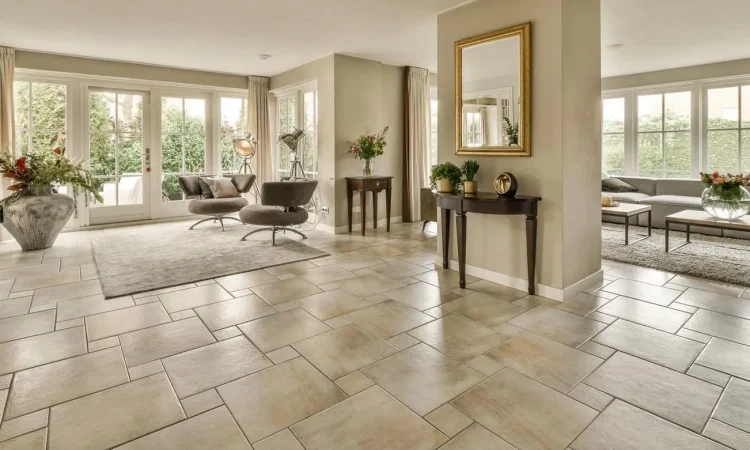
Natural stone flooring encompasses a variety of quarried minerals, each possessing distinct physical characteristics. Unlike ceramic or porcelain tiles, which are man-made and printed with repeating patterns, natural stone features organic variations in color, veining, and texture. These materials have been used in architecture for centuries, gracing the floors of ancient palaces, modern minimalist homes, and rustic country cottages alike.
The appeal of stone flooring goes beyond surface beauty. Stone acts as an effective thermal mass, meaning it stays naturally cool during hot summer months and can be paired efficiently with radiant subfloor heating systems during freezing winters. However, working with natural stone requires an appreciation of its natural properties. Most stones are porous to some degree, meaning they interact with their environment and demand thoughtful care to preserve their original appearance.
Slate Flooring: Rustic Charm and Exceptional Durability
Slate is a fine-grained, foliated metamorphic rock that is formed under intense heat and pressure from sedimentary rock, primarily shale or clay. This unique geological formation causes slate to naturally split into thin, durable layers, giving the stone its characteristic textured surface and earthy appeal.
Aesthetic Appeal and Variations
Slate is celebrated for its rich, dark color palette that often includes deep grays, charcoal blacks, earthy greens, rustic browns, and subtle hints of purple or copper. The surface texture of slate can vary significantly depending on how it is finished. A natural cleft finish leaves the stone with its authentic, rugged texture, offering immense depth and slip resistance. Alternatively, slate can be gauged and honed to create a flatter, smoother surface for a more contemporary look.
Ideal Applications for Slate
Because of its high slip resistance and moisture tolerance, slate is a favorite choice for mudrooms, entryways, kitchens, and bathrooms. Its earthy texture handles heavy foot traffic remarkably well without showing minor dirt or wear. Furthermore, slate is fireproof and highly durable, making it an excellent material for surrounding indoor fireplaces or extending onto covered outdoor patios.
Care and Maintenance
While slate is tough, it is not entirely indestructible. Certain grades of slate can flake or chip if heavy objects are dropped directly onto them. Regular sweeping and damp mopping with a neutral cleaner will keep slate looking pristine. Applying a penetrating sealer every few years helps protect the stone from absorbing oils and liquids, safeguarding its natural colors.
Marble Flooring: Timeless Elegance and Sophistication
Marble is a non-foliated metamorphic rock that develops when limestone is subjected to tremendous heat and pressure over thousands of years. This process recrystallizes the calcite minerals, resulting in a dense, luminous stone featuring signature veining patterns that have symbolized luxury and architectural greatness for millennia.
Aesthetic Appeal and Variations
Marble is universally recognized for its radiant background and intricate veining, which can range from subtle gray wisps to dramatic dark black or golden streaks. It is typically finished with a high-gloss polish that reflects light and brightens interior spaces, though honed finishes with a smooth, matte appearance are also widely available for a softer, understated elegance.
Ideal Applications for Marble
Marble instantly elevates the perceived value and sophistication of a room. It is frequently specified for formal living rooms, grand foyers, luxury master bathrooms, and master bedrooms. Because it remains remarkably cool underfoot, it is particularly popular in warmer climates. However, its polished surface can become slick when wet, requiring careful consideration before installing it in high-moisture zones.
Care and Maintenance
Marble is a softer, calcareous stone compared to slate and is sensitive to acidic substances like citrus juices, vinegar, and wine. Contact with acids can cause etching, which is a dulling of the polished surface. Regular sealing is mandatory to minimize staining, and spills must be wiped up immediately. Utilizing pH-neutral cleaning products designed specifically for stone will ensure the marble retains its luminous sheen over decades of use.
Comparing Slate and Marble Flooring
When deciding between slate and marble, homeowners must weigh the stylistic goals of the space against practical day-to-day living requirements.
-
Texture and Grip: Slate offers a naturally textured, slip-resistant surface, making it ideal for wet or high-traffic areas. Marble provides a smooth, often glossy finish that emphasizes luxury but demands caution regarding slip hazards.
-
Visual Persona: Slate leans toward organic, earthy, and rustic tones, creating a grounded and cozy ambiance. Marble projects formal luxury, brightness, and classical refinement through its dramatic veining.
-
Chemical Sensitivity: Slate is largely resilient against household acids. Marble is highly vulnerable to acid etching and requires strict adherence to cleaning protocols to avoid surface damage.
Installation Best Practices for Natural Stone
Installing natural stone flooring is a specialized craft that differs significantly from laying standard ceramic tile. Because natural stones possess slight variations in thickness and squareness, professional installers must carefully manage the subfloor preparation to ensure a flat, stable surface.
A sturdy subfloor, often reinforced with cement backer board or uncoupling membranes, is required to prevent flexing that could otherwise cause rigid stone tiles to crack. Installers must also blend tiles from multiple boxes during the layout phase. This blending process guarantees an even distribution of color variations and veining patterns across the entire floor, resulting in a cohesive and visually balanced final installation.
Frequently Asked Questions
Can natural stone flooring be installed over existing old tile floors?
Yes, provided the existing tile floor is completely stable, clean, completely level, and well-adhered to the subfloor. However, adding stone on top of existing flooring increases overall floor height, which may interfere with door clearances and transition thresholds.
How do I prevent natural stone tiles from scratching under heavy furniture?
You can protect your stone investment by attaching high-density felt pads to the legs of chairs, tables, and heavy furniture. Additionally, avoid dragging heavy items across the floor and use protective entry mats to catch abrasive outdoor grit.
Does slate flooring fade when exposed to direct sunlight?
True natural slate is colorfast and will not fade under normal sunlight exposure. However, if a low-quality topical coating or color-enhancing gloss was applied instead of a penetrating sealer, that specific coating can degrade or yellow under intense ultraviolet light.
Is it possible to repair a chipped slate or marble tile without replacing it?
Minor chips and surface pits can often be repaired using a specialized stone epoxy or polyester resin tinted to match the surrounding color and pattern of the specific tile. Professional stone restoration technicians can execute these repairs seamlessly.
Why do some natural stone tiles feel hollow when walked upon?
A hollow sound typically indicates poor adhesive coverage beneath the tile during installation, meaning the thin-set mortar did not form a complete bond. Tiles suffering from this issue are far more vulnerable to cracking under heavy loads and may need professional re-anchoring.
How does radiant floor heating affect slate and marble floors?
Both slate and marble are exceptional thermal conductors, meaning they absorb and distribute heat from radiant systems efficiently. Slate and marble will both warm up evenly and retain heat longer than most other conventional flooring materials.
Can polished marble be re-polished if it loses its shine over time?
Yes, one of the greatest advantages of natural stone is its renewability. Unlike synthetic materials, a worn or etched marble floor can be mechanically resurfaced, diamond-honed, and re-polished by a professional stone restoration service to look brand new.