Your home’s foundation keeps everything above it stable, so when problems arise, they should never be ignored. Cracks, uneven floors, or doors that stick are early warning signs that something may be shifting beneath the surface. While foundation problems can seem intimidating, most can be repaired successfully with professional help. Understanding what causes the damage and how repairs work helps homeowners make informed, confident decisions.
Many people assume that once a foundation starts to crack or sink, the problem is permanent. Thankfully, that’s no longer the case. With modern tools and technology, home foundation repair in Goshen can restore even severely damaged structures. Local specialists understand the soil and weather patterns that affect homes in the area, making their repairs both efficient and long-lasting.
Whether the issue stems from soil movement, drainage problems, or design flaws, trained professionals can stabilize and strengthen your home’s foundation. The right repair approach restores your home’s balance, prevents future movement, and gives homeowners peace of mind knowing their property is secure for years to come.
Recognizing the Signs of Foundation Damage
The earlier you identify damage, the easier and less expensive it is to repair. Common signs include cracks in walls or floors, uneven or sagging flooring, and doors or windows that no longer close properly. Gaps around window frames or baseboards may also appear as the home shifts.
These symptoms don’t always mean your home is in serious danger, but they do signal the need for inspection. By acting early, you can stop the problem before it spreads, saving time and money.
What Causes Foundation Problems
Soil and moisture are the biggest contributors to foundation trouble. Clay-heavy soil expands when wet and contracts when dry, creating movement that stresses the foundation. Over time, this push-and-pull cycle causes cracking or settling.
Poor drainage is another common cause. When water pools near the home, it weakens the soil and reduces stability. Tree roots, improper grading, or construction oversights can also contribute to foundation stress.
Can These Issues Be Repaired?
Yes, most foundation issues can be repaired. The solution depends on the type and severity of the damage. Minor cracks often need only epoxy or polyurethane injections to seal them. More serious structural problems, such as sinking or shifting, require deeper stabilization methods.
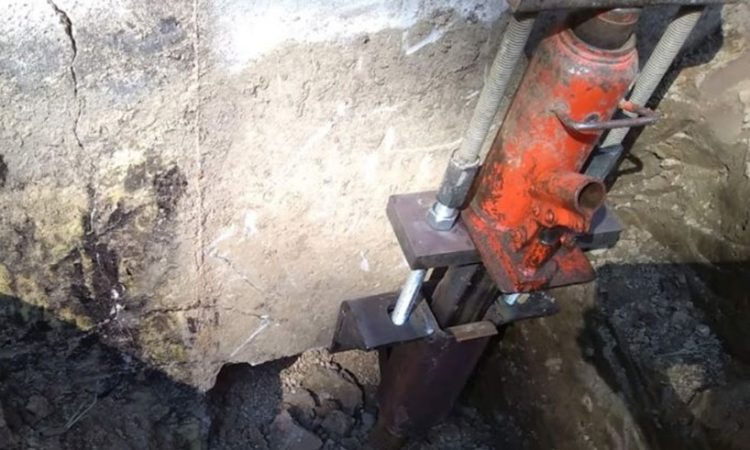
Professional foundation repair techniques like piering, underpinning, and slabjacking are designed to lift, level, and secure your home. These proven systems provide lasting results and restore confidence in your property’s stability. Even older homes with years of movement can often be corrected through these advanced methods.
How the Repair Process Works
Every repair starts with a detailed inspection. Experts assess the foundation, identify the cause of movement, and measure how much shifting has occurred. They may use laser levels, moisture sensors, and soil testing to determine the most effective plan.
After evaluation, the repair team designs a solution specific to your foundation and soil type. Depending on the findings, they might install steel piers, inject stabilizing materials, or improve drainage. Once the plan is in place, repairs typically take several days to a few weeks, depending on complexity.
When done correctly, foundation repair restores your home’s structure and prevents future movement.
Common Repair Methods
Piering and Underpinning: Steel or concrete piers are driven deep into solid ground to lift and stabilize the home. This method is ideal for major settling or sinking.
Slabjacking (Mudjacking): For slab foundations, a special material is pumped under the surface to raise and level the floor. It’s quick, cost-effective, and minimally invasive.
Crack Sealing and Waterproofing: Small cracks are filled with epoxy or polyurethane to prevent leaks and strengthen the foundation. Waterproof coatings are sometimes added for extra protection.
These methods address different levels of damage, but all share one goal: to stabilize the foundation and preserve the home’s structural integrity.
What Happens After Repair
Once repairs are complete, your home becomes noticeably more stable. Floors level out, cracks stop spreading, and doors close smoothly again. Some minor settling may occur as the soil adjusts, but it’s typically minimal.
Foundation repair also improves your home’s comfort and efficiency. Sealing gaps and stopping moisture intrusion helps maintain even indoor temperatures and prevents humidity-related issues. Beyond that, a repaired foundation enhances your property’s value and safety.
Preventing Future Problems
After a repair, consistent maintenance helps keep your foundation strong. Keep gutters and downspouts clear to direct water away from the home, and ensure the ground slopes outward for proper drainage. Avoid planting large trees too close, since their roots can disturb the soil.
Regular inspections, especially after major weather changes, help catch small issues before they grow. Maintaining balanced soil moisture with careful watering can also prevent shifting.
Conclusion
The question isn’t whether foundation issues can be repaired, but when you choose to take action. With modern technology and professional expertise, almost every foundation problem can be fixed. Foundation repair restores strength, safety, and peace of mind while preventing future damage.
If you’ve noticed cracks, uneven floors, or other warning signs, don’t wait. Contact Pro Foundation Repair Goshen for a professional inspection and expert solutions. Our skilled team delivers reliable, long-lasting results to keep your home secure and stable for years to come.